QZBrain Journal
Track each game against its own history
One result can move with sleep, stress, caffeine, distraction, and ordinary variance. Review repeated runs of the same game under similar conditions; do not turn unlike games into one performance line.
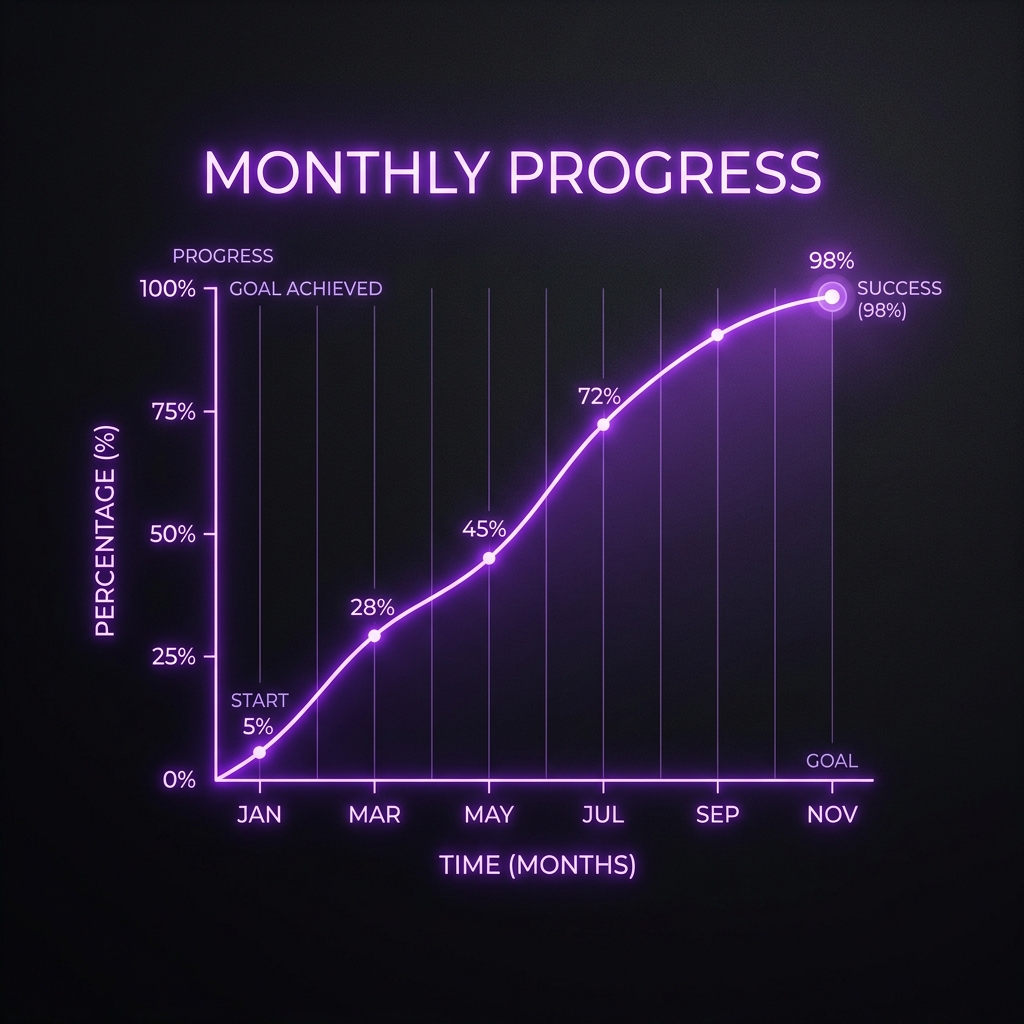
How to read per-game results
A scored Focus session produces a result for that game, based on its own speed, accuracy, consistency, and reached difficulty. Games use different trial units, so compare a game only with earlier runs of that same game—never with another game or an overall average.
Progress reports completed-session activity and stable per-game rows. Arcade results stay separate, and unlike Focus games are not combined into an overall score, weakest-game rank, or cross-game performance trend.
Keep comparisons like-for-like: repeat the same game at a similar time and in a similar setting. A result from another game—or a very different context—is not a fair comparison.
Turn the data into one small decision
Pattern Matrix and Number Flow use different task units. Review each against its own earlier runs; their raw scores and intensity plateaus cannot identify a stronger, weaker, or more trainable skill.
Train with QZBrain
QZBrain includes adaptive memory and attention games, puzzles, daily workouts, and clear per-game results. Start your practice →
Frequently asked questions
What does a QZBrain per-game score mean?
A scored Focus session produces a result for that game, based on its own speed, accuracy, consistency, and reached difficulty.
Do Arcade scores count toward my tracked progress?
Progress reports completed-session activity and stable per-game rows. Arcade results stay separate, and unlike Focus games are not combined into an overall score, weakest-game rank, or cross-game performance trend.
One game's score dropped. Should I change my routine?
One result can move with sleep, stress, caffeine, distraction, and ordinary variance.
QZBrain is a general wellness and brain-training product for everyday cognitive exercise and entertainment. This article is general information, not medical advice, and is not intended to diagnose, treat, cure, or prevent any condition.